Soft or descending contours
Cheek descent, lower-face heaviness or a less defined jawline.
Include this in my assessmentSTRUCTURE BEFORE VOLUME
A structure-first approach to facial rejuvenation—planned around support, proportion, expression and each patient’s individual anatomy.
START WITH YOUR CONCERN
The right starting point is not a product or package. It is identifying which structural change is shaping what you see.
Cheek descent, lower-face heaviness or a less defined jawline.
Include this in my assessmentVisible skeletal edges, uneven support or abrupt contour changes.
Include this in my assessmentA fatigued appearance linked to support, proportion or tissue position.
Include this in my assessmentSeveral small concerns that make more sense when assessed together.
Include this in my assessmentSELECTED CASES
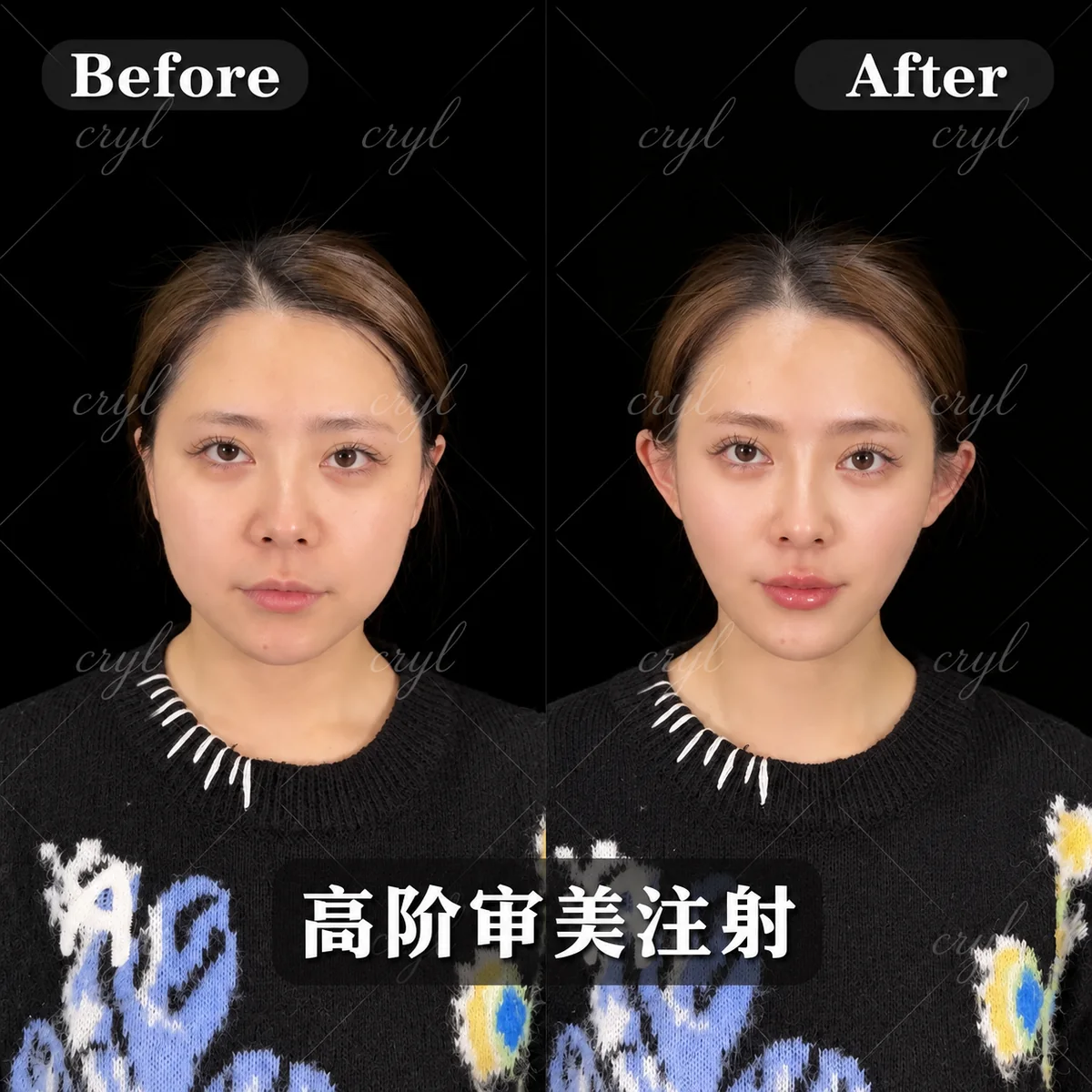 6D Liquid ScaffoldCASE 01
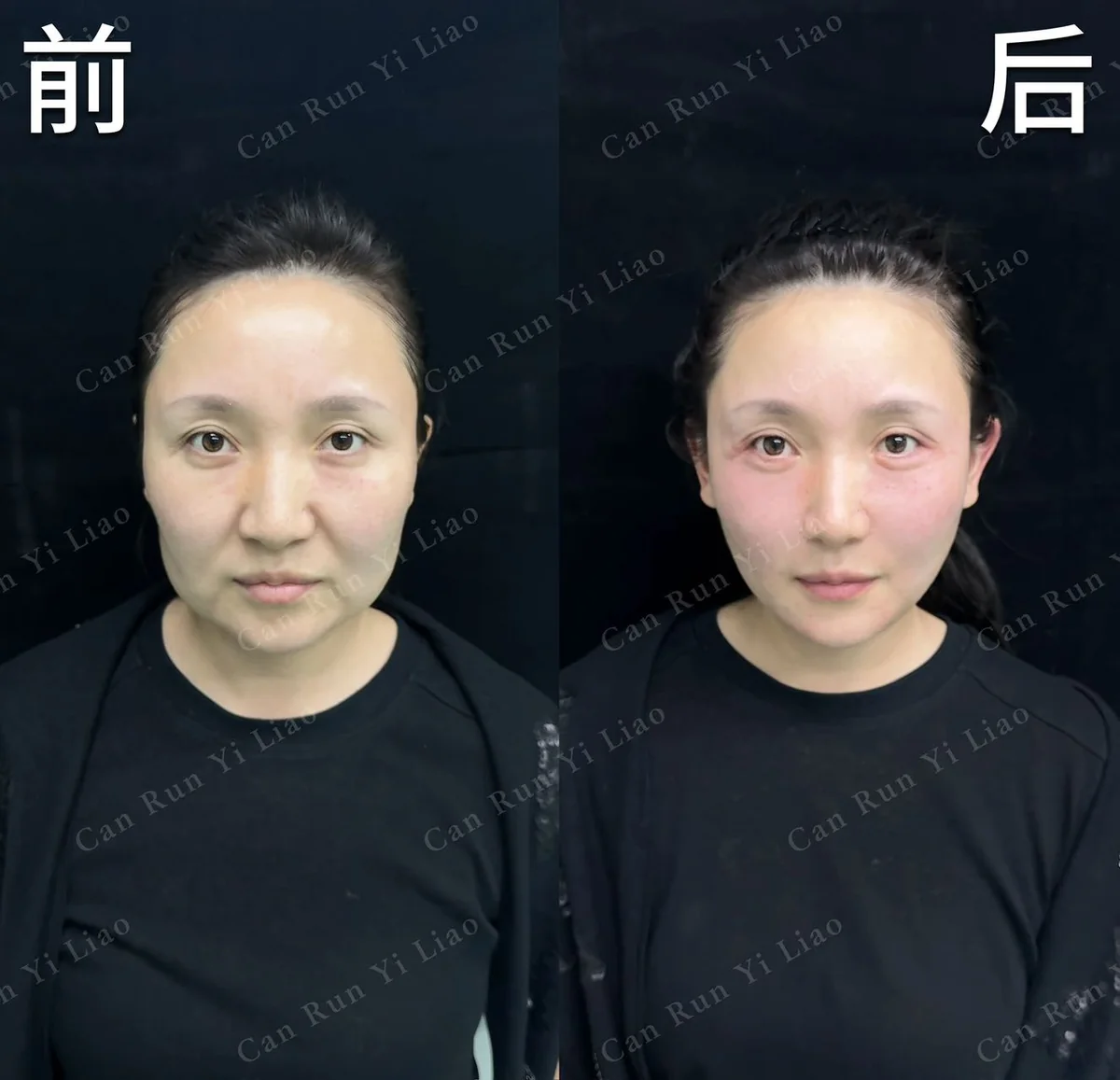 Dual-Effect LiftCASE 02
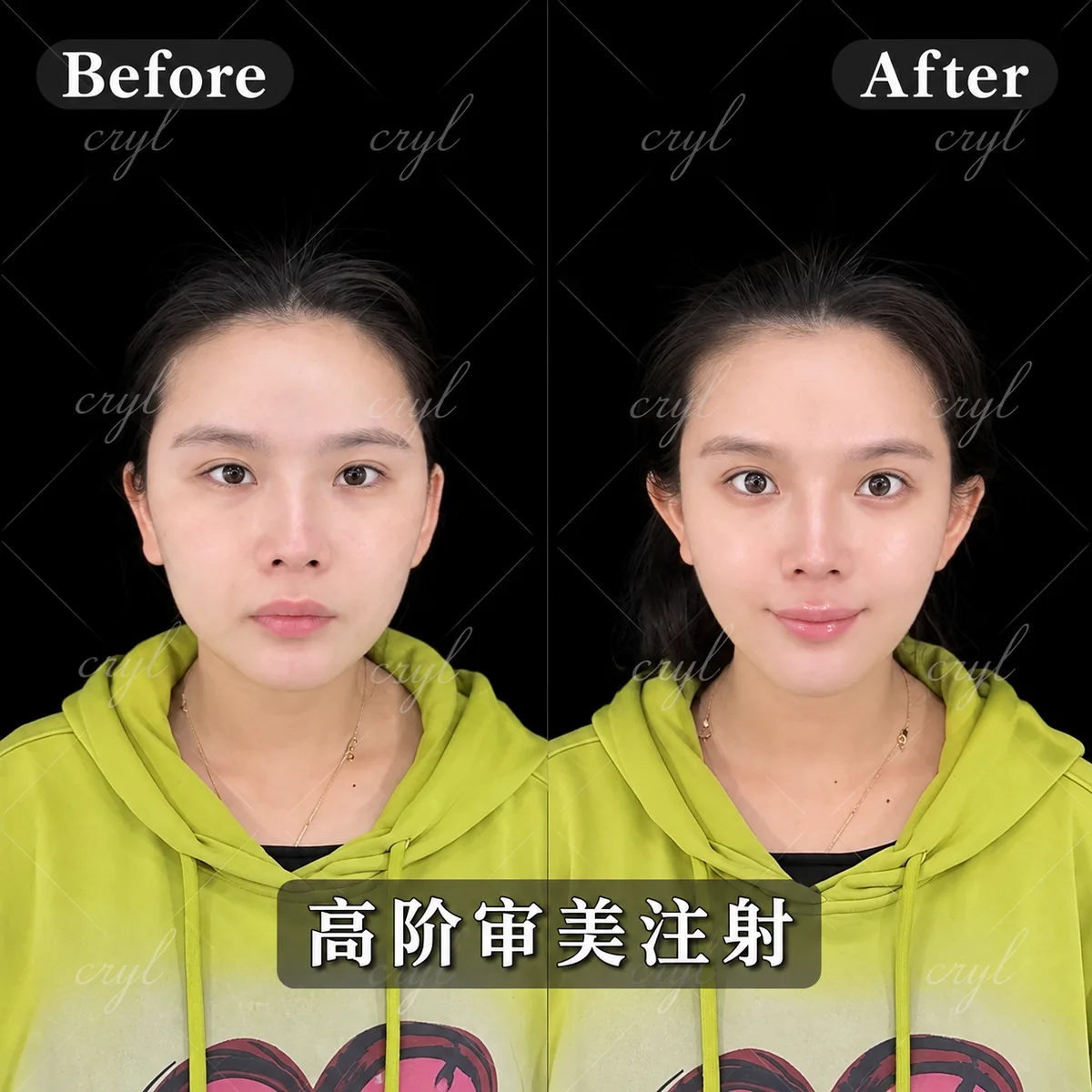 6D Liquid ScaffoldCASE 03
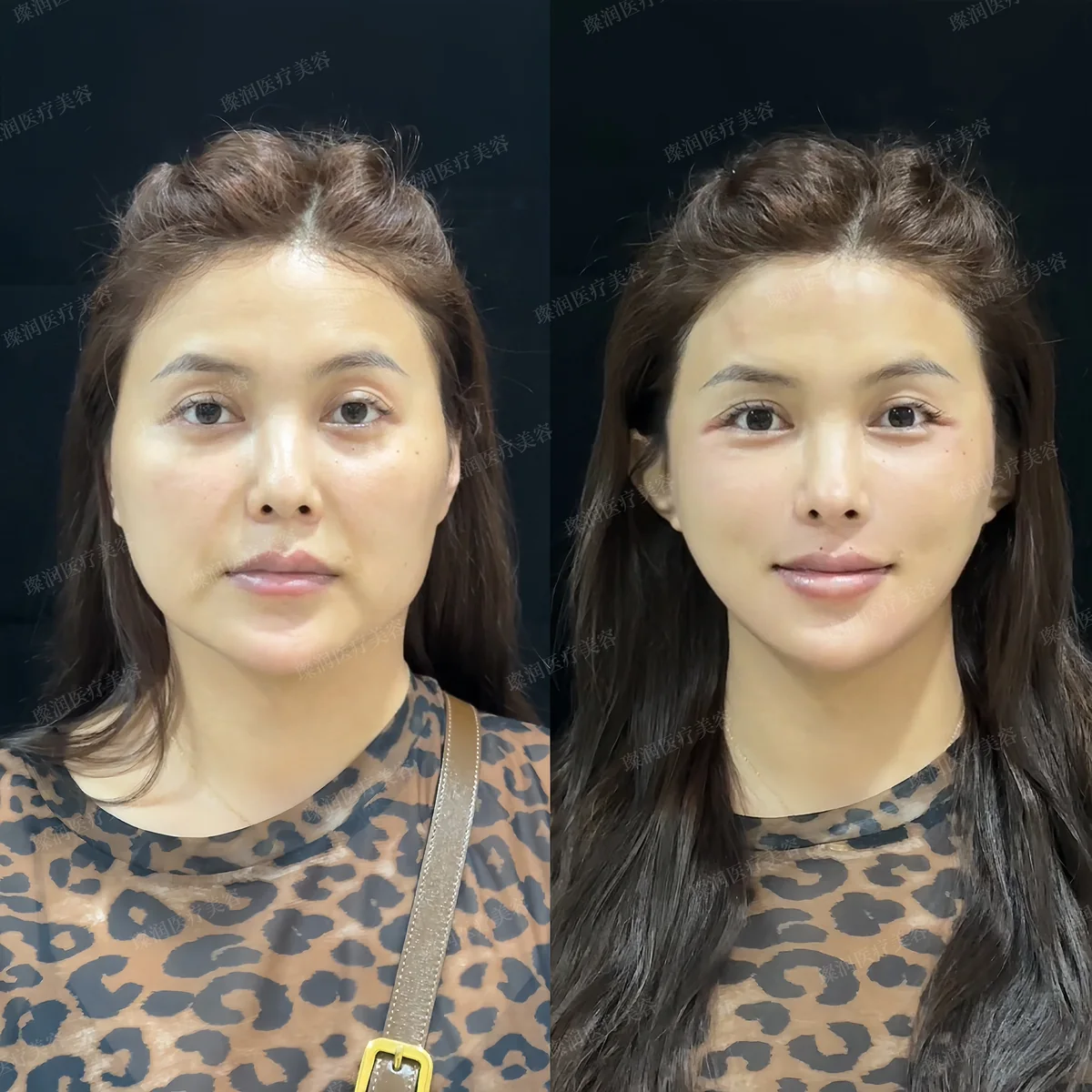 6D Liquid ScaffoldCASE 04
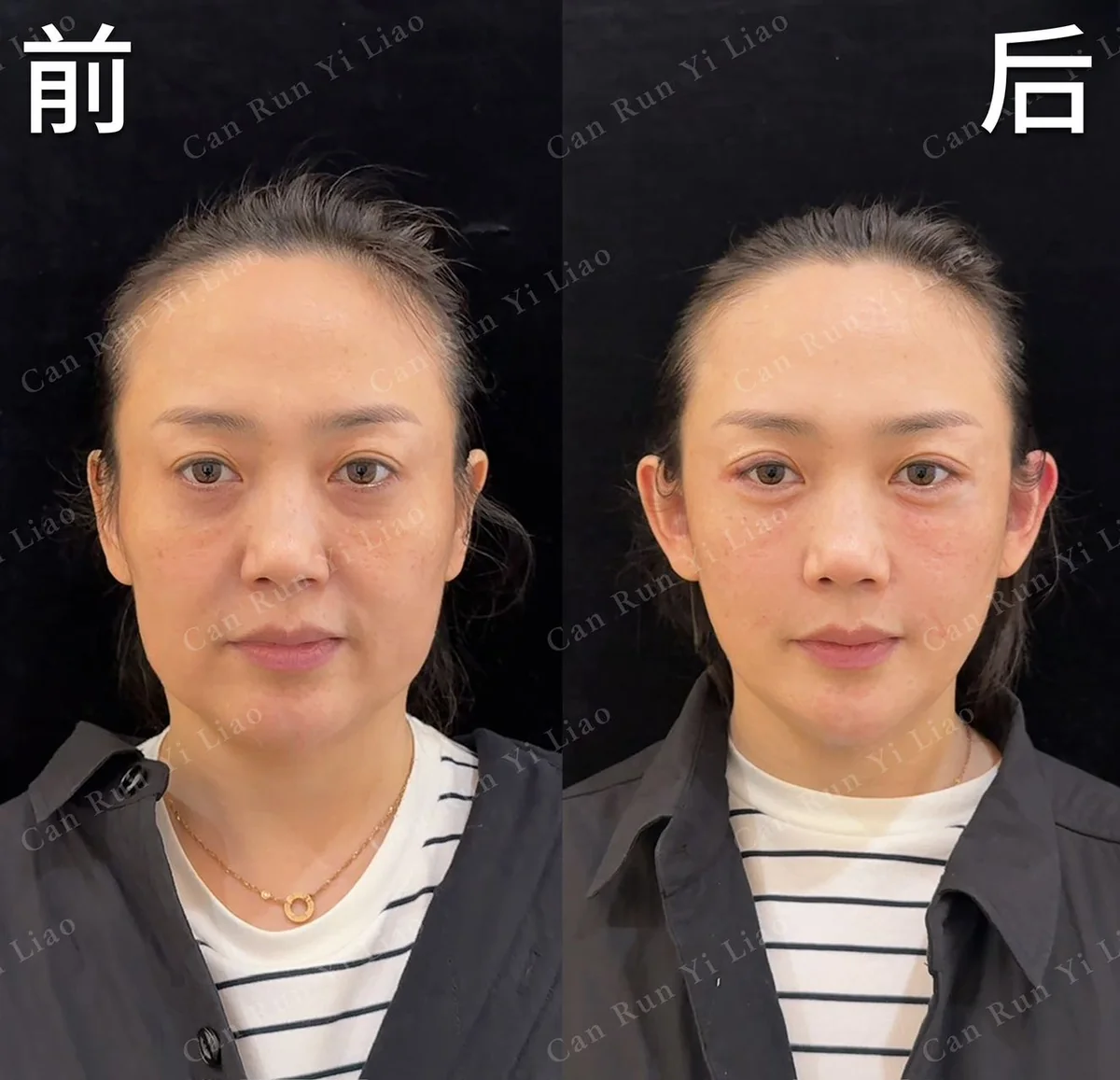 Dual-Effect LiftCASE 05
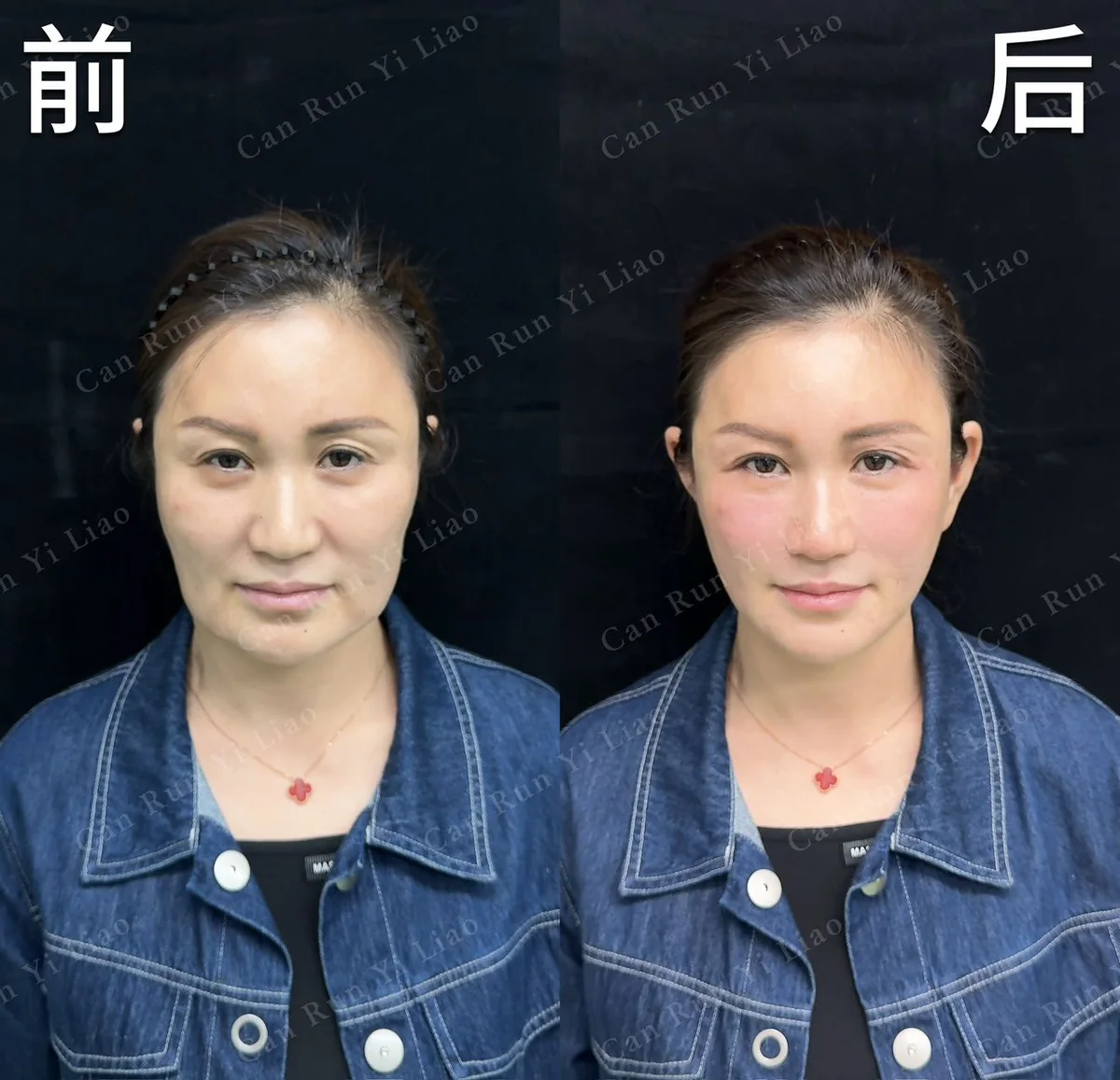 Dual-Effect LiftCASE 06
Cases are shown for reference only. Individual anatomy, treatment and recovery differ.
Open the full case library6D Liquid Scaffold01 · Whole-face structural optimisation
A whole-face planning method that begins with outer-contour support, then considers inner-contour transitions and feature balance. The aim is coordination rather than isolated volume stacking.
Dual-Effect Lift02 · Foundation fixation + soft-tissue repositioning
A dual-direction concept combining structural support points with soft-tissue repositioning across the temple, midface and jawline. It prioritises lightness, fixation and smooth transitions before visible lift.
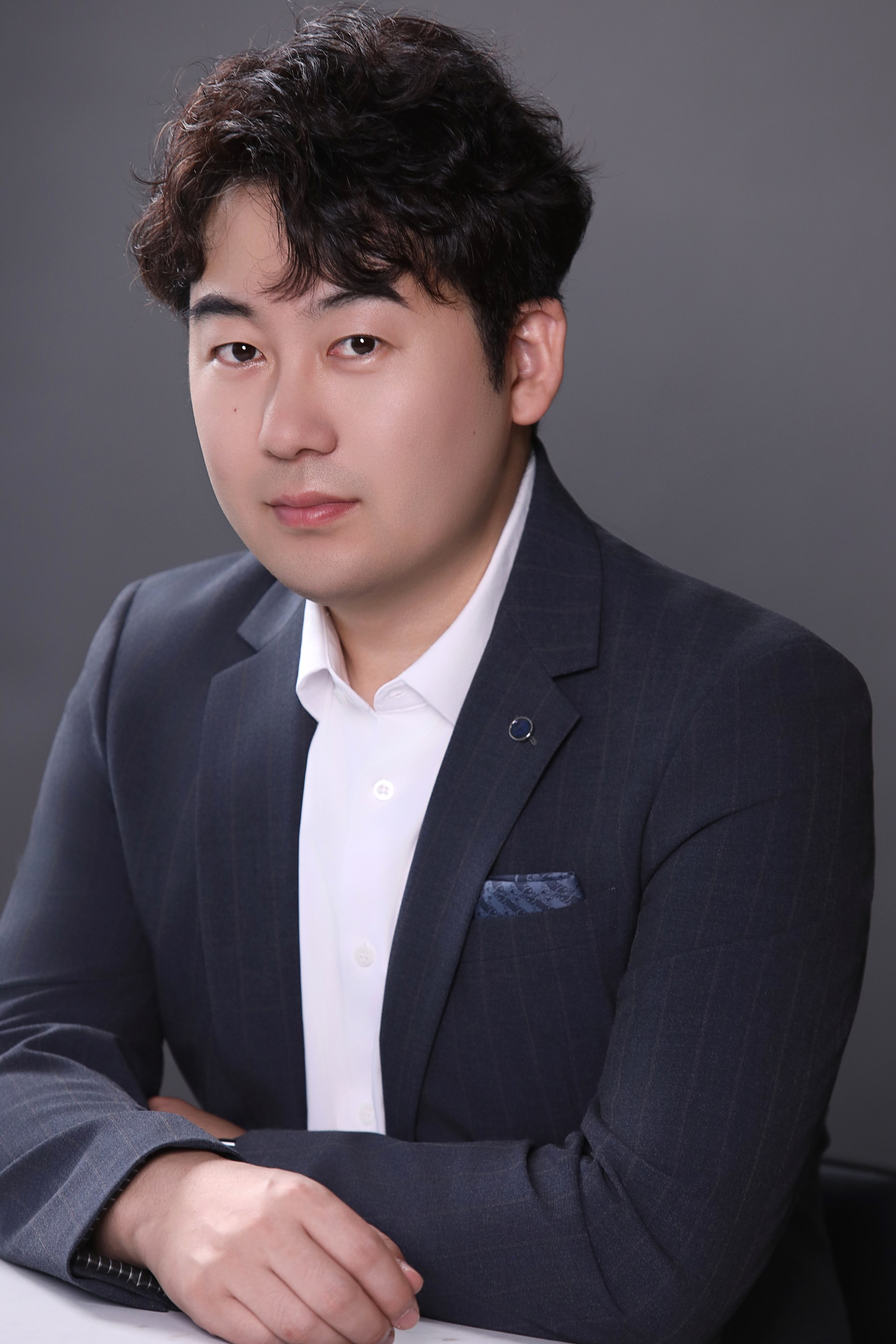
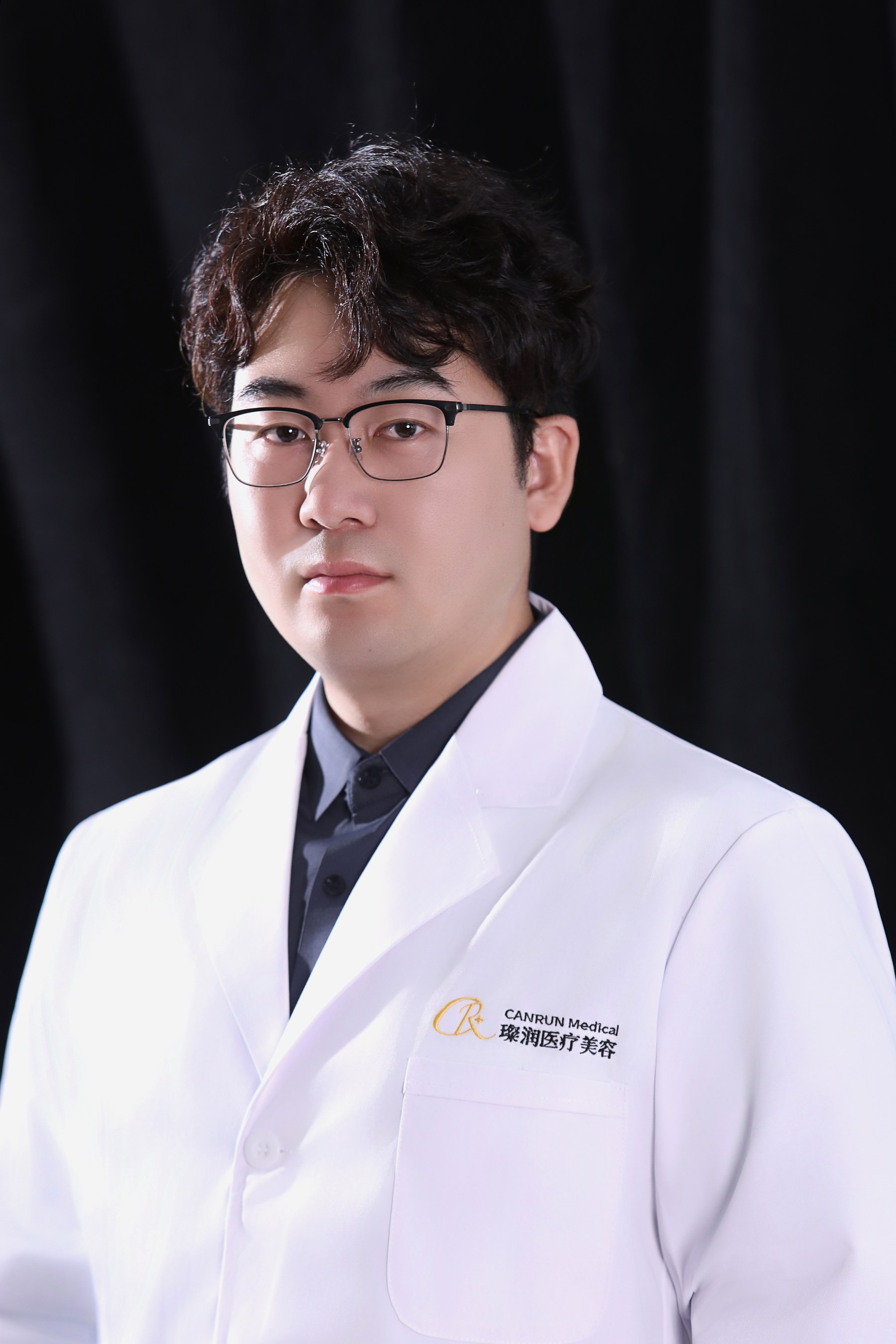
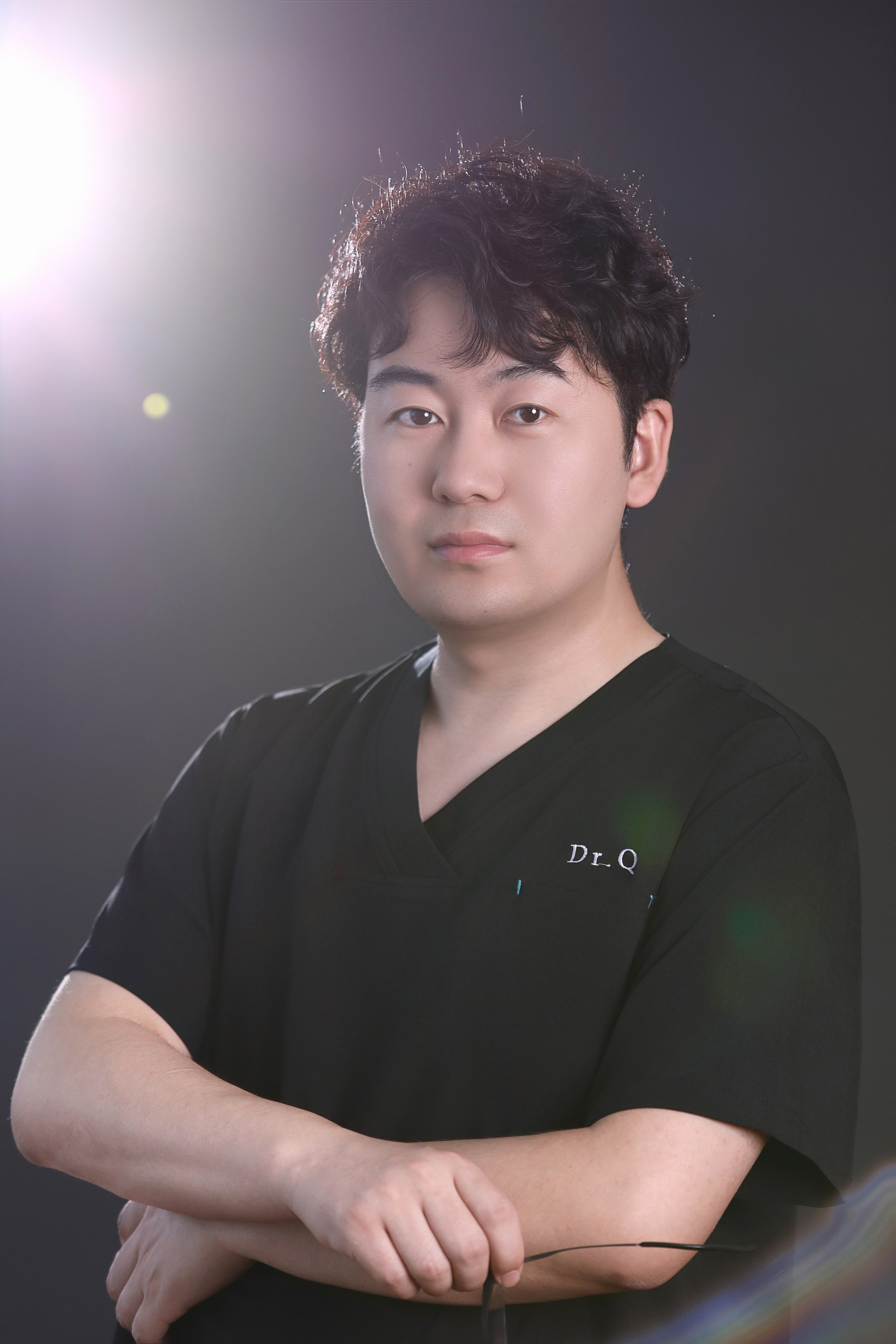
MEET THE DOCTOR
Associate Chief Surgeon · Plastic Surgery
“The goal is not to add more. It is to choose the change that improves the whole.”
Diagnosis comes before treatment. The face is reviewed in front, profile, oblique and dynamic views so that support, proportion and expression can be considered together.
INTERNATIONAL PATIENT PROGRAM
One care coordinator helps organise the clinical conversation, travel details and follow-up. Every service is confirmed individually before you book treatment or travel.
Share your goals, age range, country, timing and budget through the private assessment.
The team reviews useful photo angles, medical history and whether an in-person assessment is appropriate.
After an appointment is confirmed, coordinate the arrival window, nearby accommodation and ground-transfer options.
Confirm airport or station arrangements and the interpreter support needed for clinical conversations.
Complete examination, consent, risk review and final planning before any treatment decision.
Leave with written aftercare, warning signs, an emergency contact route and a remote follow-up schedule.
Availability, medical suitability, transfer and interpreter arrangements must be confirmed by the care team in writing.
VISUAL METHOD GUIDE
A concise planning animation shows how Dr. Qu moves from whole-face assessment to support, repositioning and staged recovery—without presenting it as a result guarantee.
Planning overview only. The final approach depends on examination, medical history and informed consent.PRIVATE INTERNATIONAL CARE
Start with the information that matters. The team can organise the next step before you make treatment or travel commitments.
Complete a short private assessment about your goals, timing and previous treatments.
The care team will explain which front, 45-degree and profile images are useful for an initial review.
Dr. Qu’s team reviews the facial structure and suggests the most appropriate next conversation.
Discuss limitations, alternatives, recovery and travel before making a treatment decision.
Privacy first. The initial form does not ask you to upload medical photographs. The care team will provide a suitable private channel if images are needed.
INTERNATIONAL PATIENT FAQ
The two systems describe different planning priorities, not fixed packages. Suitability depends on facial structure, tissue condition, medical history and your goals, and must be confirmed after assessment.
No. It can organise your concerns and help determine the next step, but it cannot replace a medical history review, physical examination or in-person risk assessment.
No result should be treated as typical or guaranteed. Anatomy, technique, healing, photography conditions and follow-up differ for every patient.
It is stored for consultation follow-up and may be sent to Dr. Qu’s care team through the clinic’s configured internal messaging channel. You can request correction or deletion at any time.
No. Remote review can clarify goals and whether travel is reasonable, but the final recommendation requires medical history review and an in-person examination.
After the consultation date is confirmed, the coordinator can discuss arrival timing, nearby accommodation areas and available ground-transfer options. These arrangements must be confirmed in writing.
Tell the team your preferred language in the assessment. Interpreter availability and any related fee are confirmed before the appointment.
Only share necessary information through the private channel provided by the care team. Access should be limited to authorised care and coordination staff, and you may request correction or deletion subject to legal requirements.
It depends on the procedure, anaesthesia, healing and travel distance. The doctor must approve an individual recovery and travel window; do not book a fixed return flight based only on website information.
Before treatment, ask for the planned facility, clinician, anaesthesia approach, key risks, alternatives, emergency contact route, aftercare instructions and follow-up schedule.
PRIVATE ASSESSMENT
A short, structured questionnaire helps the care team understand your priorities before contacting you.
Start the 3-minute assessment